
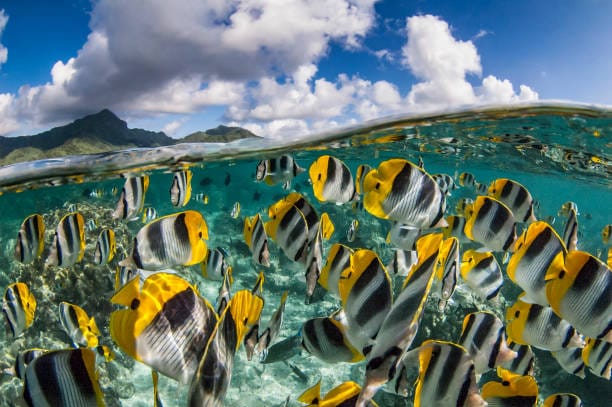
The Evolution of the Aquarium Trade in Hawaii
The history of the aquarium trade in the Hawaiian Islands is a complex narrative of economic opportunity clashing with environmental stewardship. For decades, Hawaii was one of the world’s premier sources for high-quality marine livestock, particularly the iconic Yellow Tang. However, the “Coral Fish Hawaii” industry has undergone a radical transformation due to changing legislation and a growing global movement toward sustainability and captive breeding.
The Shift to Captive-Bred Livestock
In recent years, the focus has shifted from wild-caught specimens to aquacultured or captive-bred fish and corals. This transition is vital for the long-term health of the hobby. Organizations like Biolume and various university programs in Hawaii have made breakthroughs in breeding species that were once thought impossible to raise in captivity, such as the Yellow Tang and the Potter’s Angelfish.
- Hardiness: Captive-bred fish are generally more resilient, as they are already accustomed to aquarium life and prepared foods.
- Impact: By purchasing aquacultured specimens, hobbyists reduce the pressure on natural reef populations.
Legislative Changes and Moratoriums
The trade has faced significant legal hurdles. In the late 2010s and early 2020s, the Hawaii Supreme Court and the Department of Land and Natural Resources (DLNR) implemented strict moratoriums on commercial aquarium collection permits. This was driven by concerns from environmental groups about the “vacuuming” of the reef. These legal battles forced local shops to pivot their business models, focusing more on high-end dry goods, freshwater livestock, and corals grown in land-based “coral farms” rather than harvested from the ocean floor.
The Role of Local Fish Stores (LFS)
Local shops have evolved into educational hubs. They no longer just sell “pets”; they provide the expertise necessary to coralfishhawaii.com keep those pets alive for their full natural lifespans—which, for some tangs, can be over 20 years. By promoting responsible ownership and providing a space for hobbyists to trade home-grown coral frags, these stores help create a “circular economy” within the hobby that minimizes the need for further extraction from the wild.